

Key Takeaways:
- Learn about a recent Supreme Court decision affecting land rights in Canada.
- Understand what Aboriginal title means for property ownership.
- Discover how these legal changes might impact homeowners and mortgage investors.
- Find out why experts think concerns over land title might be exaggerated.
Introduction
The Supreme Court of Canada chose not to take up a big case lately involving Indigenous land rights in New Brunswick. It’s a notable moment for both property owners and mortgage investors because it brings up key questions about land rights and ownership. Not hearing out a case doesn’t mean the Supreme Court swings either way on a previous decision – it’s more about keeping decisions as they are, which means how we view property rights can get a bit tricky.
If you’re Canadian and have a stake in real estate, getting the hang of this legal stuff is crucial. Indigenous title claims are becoming a hot topic, and acknowledging them could change landownership dynamics and what feels like a safe investment. Aboriginal title, as it’s called, isn’t just fancy legal lingo; it’s about recognizing Indigenous groups’ legit rights over their ancestral spots. This whole thing has massive ripple effects on property laws and the mortgage world because it questions whose landownership, in fact, feels secure. If you’re a mortgage investor or own property, it’s understandable if you’re feeling a bit jittery. Concerns about your property’s title are real, especially when there’s a chance Indigenous claims could crisscross with what’s already considered yours. But don’t fret too much – understanding this stuff will help you walk through the potential maze of property investments with a bit more confidence.
What Happened in New Brunswick
The New Brunswick Indigenous land saga has stirred up a lot of conversation about land rights in the Great White North. Indigenous groups in the region have staked their claim, saying some lands traditionally cared for and used by them are rightfully theirs, sorting under Aboriginal title laws. This raised some eyebrows since we all thought those lands were locked under Canadian law for non-Indigenous folk and businesses.
The Supreme Court did the unexpected – they didn’t bother listening to an appeal in the case, choosing instead to let sleeping dogs lie with decisions made in the lower courts. This lack of action leaves everyone pondering the status quo of land titles and the shape of property rights moving forward. You see, this case isn’t just a one-time thing; it’s another chapter in the ongoing saga of acknowledging Indigenous territories across Canada. As much as this might stir up a mixed bag of emotions among homeowners and investors, understanding that this decision is part of a shifting legal puzzle is key to figuring out its impact.
The Cowichan Case and Its Relevance
Let’s hop over to British Columbia for a minute and talk about the Cowichan case. It’s yet another story where Aboriginal title is at the center, this time starring lands on Vancouver Island. Here, the Cowichan Tribes are aiming to prove their historical ties to a swath of land, much like the New Brunswick situation. While the details differ, the heart of the matter remains: Indigenous folks challenging how we traditionally think of property ownership.
With everything going on, it’s making people take a second look at ownership, unlocking a realm of diverse emotions. Some see it as a potential threat, while others deem it a step towards rightful justice. These cases combined show us something – property ownership as we’ve known it might need a makeover. It’s a wake-up call, prompting us to rethink, and in some cases, even restructure how land is allocated and recognized in Canada. These top-class court cases are slowly peeling back layers of historical oversight, and Canadians are now left to fumble with balancing rights, responsibilities, and resolutions.
Understanding Aboriginal Title
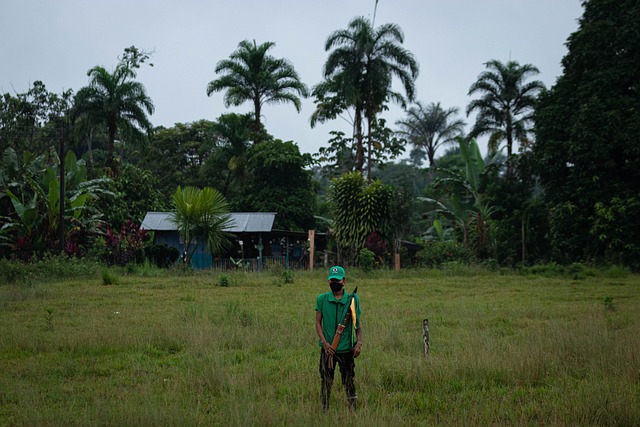
Aboriginal title sounds like a slick piece of legal jargon, but it’s a game-changer in Canadian law. It’s about land rights for Indigenous peoples, stuff that’s been part of their story since before European folks showed up. According to the Department of Justice, it means Indigenous groups can live, hunt, fish, and do other cultural gigs on their land. It’s about having a say in how the land is used and reaping the economic goodies it might offer, whether it’s logging, mining, or other development opportunities.
Getting a grip on what Aboriginal title means could be crucial. Recognizing these rights can shake up land-use plans and local economies, leaving a mark on both Indigenous and non-Indigenous communities alike. You see, it isn’t just a legal footnote; it’s about affirming the lived relationship Indigenous communities have had with their lands. And if you’re involved in the mortgage game or own a property, keeping this in mind while planning might just save you some future headaches.
Homeowners’ Concerns About Property Rights
Most folks in Canada live pretty happily under what you’d call “fee-simple ownership.” It’s the gold standard of property rights here. So when you buy a house, you expect no one’s going to come knocking for their slice of your land pie. But hold on – with Indigenous land claims, the script can flip, causing disruption in property assumptions and infusing a wee bit of uncertainty into the mix.
Now, a court might side with an Indigenous group on their land claim, leaving existing property owners scratching their heads over what happens next? And while it’s tricky terrain, the law stands ready to safeguard landowners not caught up in the original dispute. Yet, knowing that overlapping claims might surface will likely put homeowners and investors on edge, maybe even dabble a bit with market dynamics.
But let’s keep it real – it’s not just about the rightful squabble around legal rights. There’s money talk too. Having questions over ownership might shake up market stability, influencing sell-ability and borrowing opportunities. Property owners are sharpening their knowledge-savvy skills with the latest legal maneuverings and negotiations, ready to face any curveballs sent their way.
Addressing the Panic: Expert Perspectives
Everyone’s got a little flutter of fear over the prospect of Indigenous land claims impacting their property rights, but the experts are chiming in with a different tune. For the majority of homeowners, the situation might not be as ominous as imagined. We’ve recently seen some significant court rollouts in this space, yet not every stretch of land is hanging in the legal balance.
Let’s face it, for most folks, their property comes with a shiny, iron-clad ‘fee-simple ownership,’ meaning they shouldn’t start packing their bags just yet. Sure, there’s chatter of uncertainty, but the legislation’s got landowners’ backs in these cases. Bottom line: the Supreme Court opting out of the New Brunswick appeal doesn’t spell doom. It simply rather leaves room for ongoing negotiations and future resolutions, allowing a tad more breathing space for property owners amid the legal dance.
This isn’t to say throw caution to the wind, but understanding these nuances can nip unnecessary anxiety in the bud – nudging property holders and investors towards grasping the bigger picture rather than fueling panic. The experts are with ya here, guiding through the clouds of uncertainty and helping maintain a balanced outlook on what’s changing, and what’s staying rock solid.
Economic Implications of Indigenous Land Rights
Let’s touch base on the economic side of things. If you think Indigenous land rights and local economies are strange bedfellows, let’s flip that script. Research keeps pointing out that when land rights are beefed up, they can actually spur economic growth across the board. Yep, you heard that right – it paves the way for broader opportunities for Indigenous and non-Indigenous folks alike to benefit.
The logic behind this boost is simple yet solid. When Indigenous communities get more control over their territories, they can leverage their intimate land knowledge for impactful management and development without throwing the environment under a bus. It’s like a win-win for all involved. Plus, stronger land rights might unlock a treasure chest of business ventures, from eco-tourism to cultural enterprises, creating jobs and services that ripple through the wider community, rather than tightening the economic belt.
So yes, while some fret that acknowledging Indigenous rights could blur property lines, the weight of evidence suggests that embracing these legal shifts may forge new paths for economic prosperity and harmony. It’s a team game, and collaboration here promises a bigger pie rather than land rights-induced stress, hinting at broader, shared possibilities. Imagine a stage where everyone’s a benefactor – it’s a different tune but isn’t change just another word for opportunity?

The Role of Modern Treaties and Negotiations
On the negotiation playing field, modern treaties are an absolute game-changer, trust me. These agreements stitch together a framework where the government and Indigenous groups can chat about land rights with purpose and clarity. They don’t just sprawl legal jargon – they work towards carving out solutions without throwing everyone into the courtroom chaos.
These treaties aren’t just pieces of paper doing rounds in a bureaucratic maze. They look at balanced sharing of resources and economic growth, bashing out rules about land use while ensuring Indigenous communities get a deserving chunk of benefits. It’s a balancing beam act, respecting Indigenous voices while accounting for the broader Canadian palette.
This approach aims for collaboration over confrontation, steering clear of dramatic courtroom plots. It’s about crafting open channels of discussion, cutting through the noise to forge a more secure property landscape. No doubt, by keeping communication in play, everyone can kick back with a clearer vision of property rights and steer Canada’s land rights dialogue towards a cooperative future.
Looking Ahead: Future Legal Developments
Peeking into the future, it looks pretty certain the legal hullabaloo surrounding Indigenous land claims isn’t taking its foot off the gas anytime soon. Canadian courts are set to be at the forefront of shaping how these things pan out, and it’ll be crucial for mortgage investors and homeowners to stay in the loop with potential game-changing legal loops on the horizon.
With each new case, the judiciary could redefine the thin line between Aboriginal title and traditional property ownership. This could stir up some short-term woes for homeowners and those in the real estate biz. Keeping an eye on both upcoming legal trends and government roles will be key, steering through the decibel of intricate negotiations based on mutual respect and dialogue.
In these future developments lie opportunities and uncertainties – and navigating this legal milieu means staying informed, staying sharp, and making well-rounded judgments. For investors and homeowners, adaptability will be a prized trait, finding their spots in Canada’s evolving legal landscape whilst wisely juggling risks and opportunities.
Conclusion
Recent times have witnessed Indigenous land rights inching towards center stage in Canadian property and investment talk. And it’s not just about the Supreme Court’s refusal to dive into the New Brunswick case – it’s about a much larger legal tableau unfolding. Yet, refusal doesn’t equate endorsement – it throws light on a complex, ever-shifting legal landscape.
This discourse draws parallels with the Cowichan cases in British Columbia and throws open the box of what property rights mean when viewed alongside age-old Aboriginal title claims. Unraveling these concepts is not just interesting; it’s vital in seeing the wider horizon of land occupation and economic benefits.
Sure, title worries could stir the pot, but expert eyes promise some assurance for landowners holding uninvolved titles. At the core lies the belief that embracing stronger Indigenous land rights might just spark economic rejuvenation, benefitting both Indigenous and wider communities. The layering of modern treaties – this fresh approach of structuring dialogues over disputes – holds the potential to craft harmony.
The horizon of property rights and Indigenous stakes feels ripe with potential as we look forward. But wait – navigating this shifting landscape holds the promise of a more collaborative and prosperous future. Your next big question is, what role will you play in aiding this evolving dialogue?
If you enjoyed this article, and is someone interested in learning more about investing, particularly about our mortgage fund, be sure to join our VIP list here.